Programs

On this page, jump to...

Start Me Up 5

Cooperative Education

What is cooperative education?

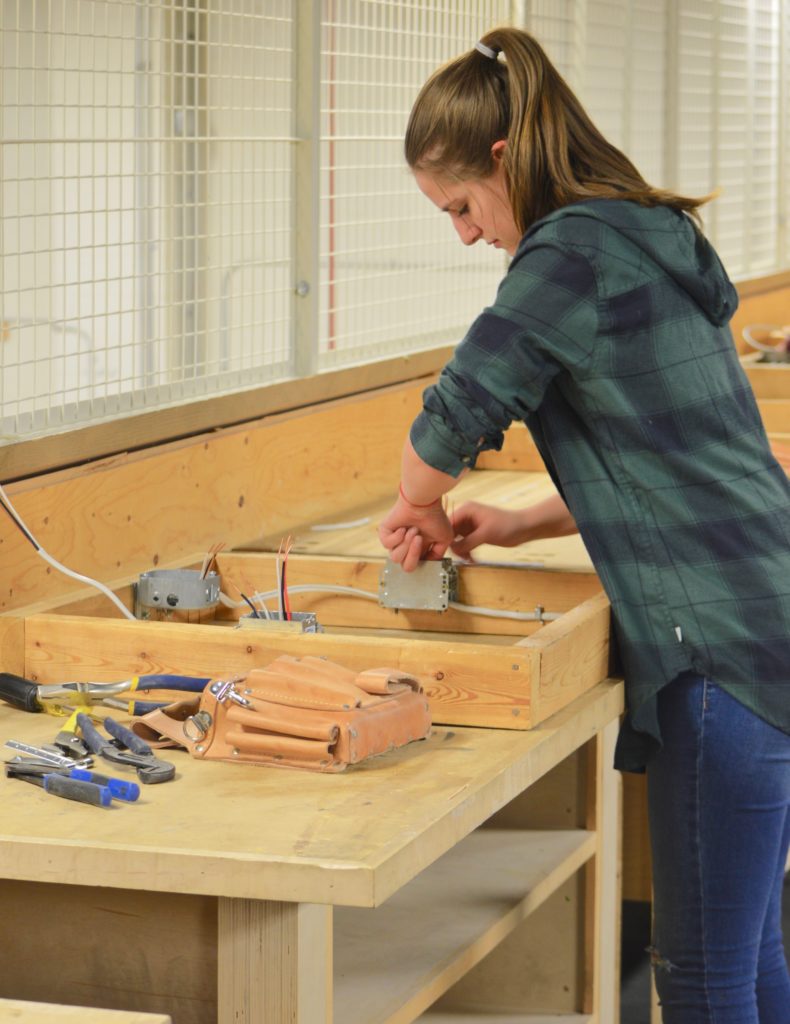
  • Cooperative Education (co-op) gives students the opportunity for hands-on experience in a career they may choose to pursue in their future.
  • Co-op allows students to earn high school credits through integrated course curriculum while learning at a work placement.
  • When co-op placements involve work in skilled trades, students are considered Ontario Youth Apprenticeship Program participants.

Who can participate?

Students who have completed Grade 10 in any pathway – apprenticeship, college, community, university, or workplace can participate in a 1, 2 or 4 credit co-op placement.

Benefits

Students:

  • Gain workplace experience.
  • Develop employability skills and work habits.
  • Learn hands-on learning in a safe and encouraging environment in a trade or career of choice.
  • Pursue a work placement based on student interests and explore a possible career.
  • Connect and build relationships with potential future employers.
  • Make informed decisions about future work, careers, and education.
  • Earn credits toward their Ontario Secondary School Diploma (OSSD).
  • Earn co-op credits at a paid job during night school or summer school co-op.

For additional information:

Dual Credits

Dual Credit logo

What are Dual Credit programs?

  • High school students (Grade 11 and 12) can take a college course, taught by a college instructor, and earn both a college credits and a high school credit. 
  • These courses are offered during the school year, usually once a week in the daytime, and are in addition to regular high school classes.
  • These courses are usually taught at the college campus.
  • Students can earn up to four optional credits towards their Ontario Secondary School Diploma (OSSD).

Who can participate?

  • Students who are currently in Grade 11 or 12.
  • Students who fit the primary target group. For example, students who are capable but are not engaged in school, or have many absences, or are missing a credit to graduate, or are unsure of their future pathway. 
  • Students who are participating in specialized programs including, Specialist High Skills Major (SHSM) and/or Ontario Youth Apprenticeship Program (OYAP).
  • Students who want to explore possible careers and experience college.

Benefits

Students:

  • Try out a college course with the support of a high school teacher.
  • Increase potential for a smooth transition to college or apprenticeship programs.
  • Earn certifications and support SHSM requirements.
  • Get a head start on post-secondary education.
  • Increase awareness of post-secondary pathways and careers.

For additional information

Ontario Youth Apprenticeship Program

OYAP

What is OYAP?

  • OYAP is a school-to-work program for students to explore apprenticeship careers after they have completed Grade 10, through the cooperative education program.
  • Students can become registered apprentices and begin to work towards becoming certified journeypersons in a skilled trade while completing their secondary school diplomas.
  • There are various ways to participate in OYAP. See the examples below:
    – OYAP participants → students in co-op placements in the skilled trades.
    – OYAP registered apprentices → students with signed registered training agreements (r.t.a.’s), who have officially started their apprenticeships.
    – OYAP Level 1 → students selected to participate in the first level of trade school while in their final year of high school.
    – OYAP Focused Apprenticeship Skills Training (FAST) → students who earn 8-11 cooperative education credits and sign a registered training agreement with their employer while obtaining all other OSSD requirements will be awarded the OYAP-FAST seal on their OSSD, and OYAP-FAST will be listed in the Specialized Program field of the Ontario Student Transcript (OST).

Who can participate?

  • Students must be at least 15 years of age (some workplaces have a minimum age requirement of 16).
  • Students must have completed 14 credits.
  • Students must be working towards the completion of all OSSD requirements.

Benefits

Students:

  • Start a career in the skilled trades while still in high school.
  • Gain employability skills and a network with businesses.
  • Acquire hours and skills toward the apprenticeship.
  • Participate in a hands-on learning experience and application of classroom theory to the workplace.
  • Increase awareness of workplace demands, skills, and needs.

Employers:

  • Increase employer exposure within the community.
  • Access new employees at no cost.
  • Help build a skilled workforce and promote youth retention in the community.
  • Develop leadership and supervisory skills in employees.

For additional information:

Specialist High Skills Majors (SHSM)

SHSM logo

What are SHSM programs?

  • SHSM programs allow senior students to become specialists in a particular sector.
  • All SHSM programs include specific courses related to the chosen sector, a cooperative education placement, certifications, and industry-specific opportunities.
  • Students graduate with a SHSM Seal and formal recognition on their OSSD.

Who can participate?

  • Students in Grade 11 or 12 participate in SHSM
  • Students in all pathways (apprenticeship, college, university, workplace) can participate.

Benefits

Students:

  • Explore career goals and make decisions about the future.
  • Customize secondary school education to suit individual interests and talents, and develop specialized knowledge and skills.
  • Take high school courses that match interests and strengths.
  • Develop specialized knowledge and skills.
  • Gain work experience though co-op.
  • Participate in industry training that is recognized by post-secondary educational institutions and the chosen sector.
  • Capitalize on free learning opportunities!

For additional information

School Websites

Find it Fast

Calendar

School year calendar

Registration

School registration

Schools

Jump to a school site

Buses

Transportation info